
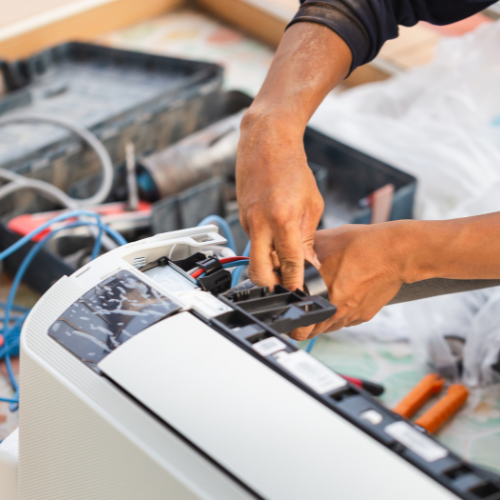
Your HVAC system plays a major role in maintaining comfort inside your home or business. Over time, however, even the best heating and cooling systems begin to lose efficiency and performance. While regular maintenance can help extend the lifespan of your equipment, every system eventually reaches the point where replacement becomes the better option. Knowing when to replace your HVAC system can help you avoid unexpected breakdowns, rising energy costs, and constant repair expenses.
One of the biggest signs that it may be time for a replacement is the age of your system. Most HVAC systems are designed to last between 10 and 15 years depending on usage and maintenance history. Older systems often struggle to maintain consistent temperatures and consume more energy than modern energy-efficient units. If your system is over a decade old and frequently needs repairs, replacing it may actually save money over time.
Frequent breakdowns are another common warning sign. While occasional repairs are normal, repeated service calls can become expensive and frustrating. Homeowners often continue repairing old systems because replacement seems costly, but ongoing repairs can quickly add up. Investing in a new HVAC system provides better reliability and reduces the chances of future problems. New systems are designed with advanced technology that improves energy efficiency, airflow, and indoor comfort.
Rising energy bills can also indicate that your HVAC system is no longer operating efficiently. As components wear out, the system works harder to maintain the desired temperature. This increased workload leads to higher energy consumption and increased monthly utility costs. Modern HVAC units are built to meet higher efficiency standards, helping homeowners reduce energy expenses while improving performance.
Uneven temperatures throughout the home may also signal system failure. If some rooms feel too hot while others remain cold, your HVAC system may no longer distribute air properly. Poor airflow, outdated equipment, and aging ductwork can all contribute to inconsistent indoor comfort. A professional HVAC technician can inspect your system and determine whether repair or replacement is the best solution.
Indoor air quality is another important factor to consider. Older HVAC systems may struggle to remove dust, allergens, and humidity from the air. Newer systems often include advanced filtration and humidity control features that create a healthier indoor environment for your family.
Replacing an outdated HVAC system is an investment in long-term comfort and efficiency. Modern systems operate more quietly, cool and heat more effectively, and require fewer repairs. Professional installation ensures your new equipment is properly sized and optimized for maximum performance. By upgrading your HVAC system before complete failure occurs, homeowners can enjoy better comfort, lower energy bills, and improved peace of mind throughout every season.