
HVAC emergencies can happen at any time and often occur when homeowners least expect them. Whether your air conditioner stops working during a heatwave or your heating system fails on a cold winter night, losing indoor comfort can quickly become stressful. While some problems require immediate professional repair, there are several important steps homeowners can take before contacting an HVAC technician. Understanding how to respond during an HVAC emergency can help prevent further damage and restore comfort more quickly.
One of the first things homeowners should check is the thermostat. In many cases, incorrect settings or dead batteries can make it appear as though the HVAC system has stopped working. Ensuring the thermostat is set correctly and functioning properly can sometimes solve the issue immediately. If the thermostat appears normal, checking the electrical panel for a tripped circuit breaker is another simple but important step.
Dirty air filters are another common cause of HVAC problems. Clogged filters restrict airflow, forcing the system to work harder and potentially causing overheating or freezing issues. Replacing the air filter may improve airflow and help restore normal system operation. Regular filter replacement is one of the easiest ways to maintain HVAC performance and reduce strain on the equipment.
Homeowners should also pay attention to unusual sounds or smells coming from the system. Grinding noises, burning odors, rattling, or leaking water can indicate serious internal problems that require professional attention. If you notice burning smells, smoke, or electrical issues, it is important to shut the system off immediately to avoid further damage or safety risks.
Many HVAC emergencies are caused by lack of maintenance. Refrigerant leaks, frozen evaporator coils, blocked drainage lines, and electrical failures often develop gradually over time. Regular inspections and preventive maintenance help technicians identify these issues before they become major problems. Seasonal tune-ups improve system reliability and reduce the chances of unexpected breakdowns during extreme weather conditions.
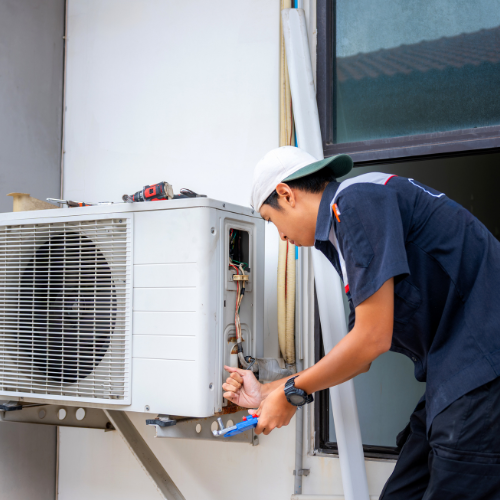
Professional HVAC technicians are trained to diagnose problems safely and efficiently. Attempting major repairs without proper knowledge can sometimes make the situation worse or create safety hazards. Experienced technicians use specialized tools to inspect components, test electrical systems, and restore heating or cooling performance as quickly as possible.
Preventing future HVAC emergencies starts with proper system care. Scheduling regular maintenance, changing filters consistently, keeping outdoor units clean, and addressing small issues early can significantly improve system reliability. Homeowners who invest in preventive care often experience fewer breakdowns, lower repair costs, and better overall comfort throughout the year.
An HVAC emergency can be frustrating, but taking the right first steps can make a big difference. Staying calm, checking basic system components, and contacting a trusted HVAC professional quickly can help restore comfort and protect your system from additional damage. Reliable heating and cooling are essential for every home, and proper maintenance remains the best way to keep your HVAC system running efficiently year-round.